
 *I’m not able to take on new PhDs at this time. For those who contact me, I wish you good luck in your search and hope you succeed in finding the best fit for your work.*
I am a writer and researcher who studies the social and political landscapes of science and technology.
My work focuses on the geographies of knowledge, or how scientific and technical practices are transformed across space and time. I also study how knowledge and data can rework space and time, for example by helping to shape changes in urban landscapes, infrastructures, and forms of mobility.
Until fall 2026 I was an associate professor of urban sociology at Erasmus University Rotterdam, where I was the principal investigator of the ERC-funded project Digitalized Ports, Racialized Labor: Shifting Infrastructures for Work in Container Shipping (DIGIPORTS).
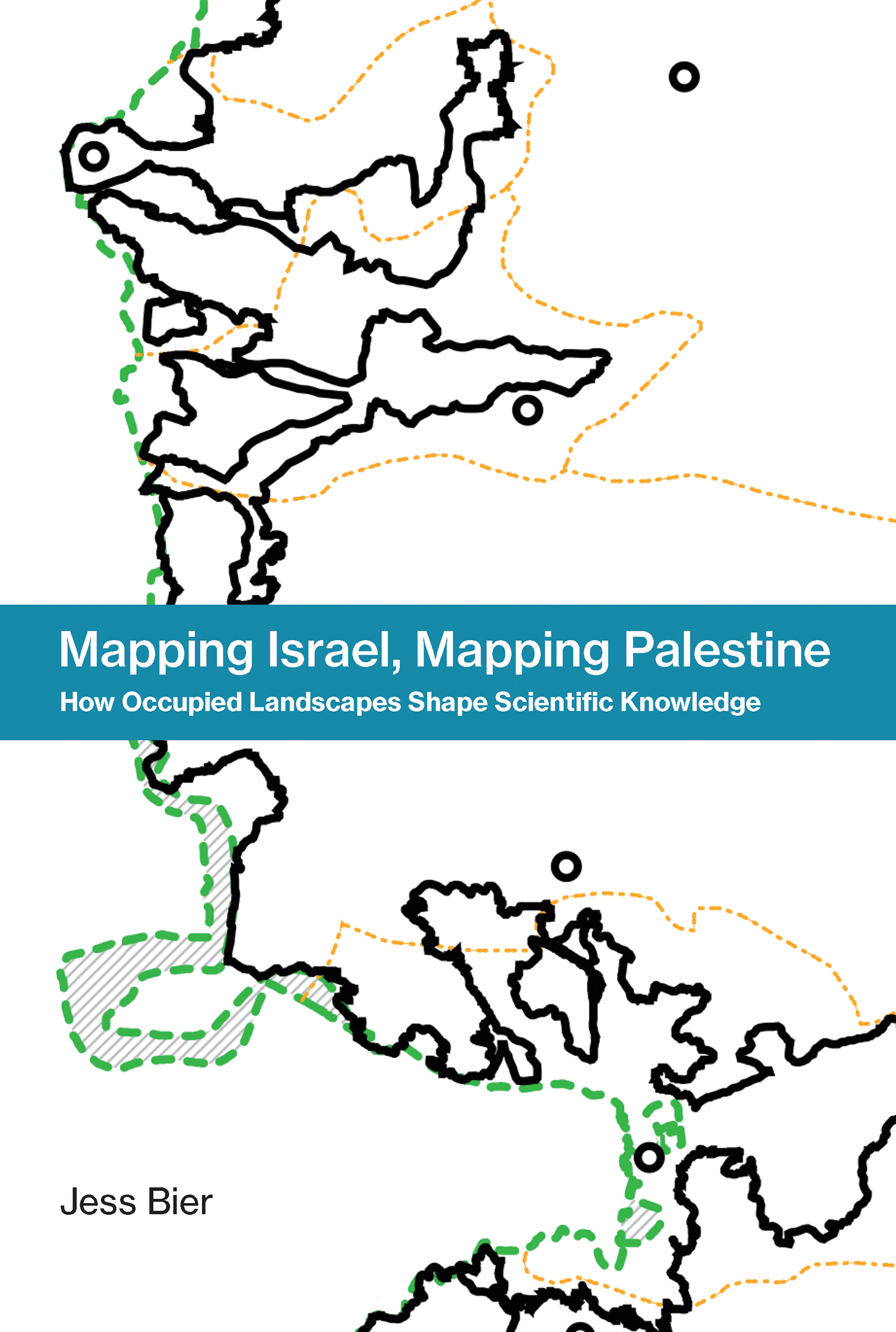
My first book Mapping Israel, Mapping Palestine: How Occupied Landscapes Shape Scientific Knowledge was published by the MIT Press in 2017. PDFs of my publications are available here. Check out my Bluesky, and Instagram accounts for updates on topics like the politics of data, maps and boundaries, digital infrastructures, automated logistics, shipping and circulation, and disaster recovery.
My work combines science and technology studies (STS) with critical geography. I also draw on decolonial theory, Black studies, infrastructure studies, and feminist studies of science. Overall I work for social and economic justice by coming up with new ways to think about and collectively inhabit the world. I have been published in international journals in a number of fields including geography, science and technology studies (STS), anthropology, history, and linguistics. My dissertation received the 2016 Maastricht University dissertation prize, which is awarded to the best dissertation submitted to the university for the previous two years.
I tend to get enthusiastic about things that I like. They include puzzles and games of all kinds – especially logical puzzles, cooperative games, and solo games – notebooks, mechanical pencils and keyboards, functional and DIY 3D printing, animals including cephalopods, xenarthra, and tardigrades, as well as histories of outer space, alternatives to capitalism, alternative computing, speculative fiction, and yes cats.

